
A Minority Owner Is More Than a Percentage
What Is a Football Club Actually Buying When It Sells a Part of Itself?

There is something almost deceptively simple about the way we talk about ownership in football.
Someone buys a club. Someone sells a club. Someone buys ten per cent of a club. The number appears in a headline, an estimated transaction value is added, and the story seems to be over.
But it isn't.
Because ten per cent of Liverpool is not just ten per cent of Liverpool. Just as a minority stake in Swansea City, Bournemouth or Ipswich Town is not merely another line in an ownership structure.
Sometimes it is money. Sometimes access to money. Sometimes a name that opens doors. Sometimes reputation. Sometimes a connection to people the club could not previously reach. And sometimes it is simply the first step towards something bigger.
So perhaps this is the wrong question: How much of the club is someone buying? A better question is: What comes with that percentage?
Liverpool and the 10 Per Cent Question
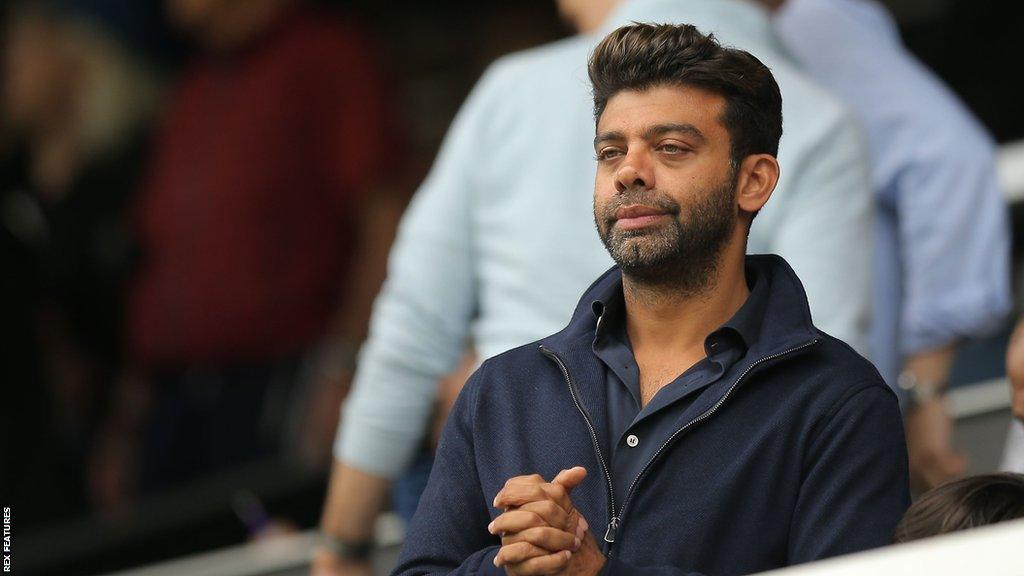
The current story surrounding Amit Bhatia's interest in a minority stake in Liverpool is a perfect example.
The moment a British-Indian investor enters the picture, it becomes almost inevitable that someone starts talking about India. A market of more than a billion people. Enormous potential. The idea that Liverpool could become even bigger simply because one of its new minority owners has Indian heritage and business connections.
It sounds almost too good.
And that is precisely why it is entirely unconvincing.
Because there is a huge difference between saying that an investor may help a club better understand or access a particular market and claiming that he will simply open that market up for them.
Being Indian is not a business strategy.
Buying part of Liverpool does not automatically turn Liverpool into an Indian club. It does not create fans. It does not sell shirts. It does not bring in sponsors. It does not give the club cultural relevance in a market where it may not yet have a sufficiently deep connection.
What Bhatia could potentially bring is something much more concrete: a network of contacts, capital, investment experience, an understanding of particular business circles and perhaps access to partners Liverpool would not easily find on its own.
But the key word is perhaps.
And that is exactly what makes it interesting. Because football has become increasingly obsessed with the idea that every new owner must bring something beyond money. And as clubs become more expensive, the question is no longer simply who can afford to buy in. The question is why a club would want you specifically.
Luka Modrić Brings Swansea City More Than Money
When Luka Modrić became a minority investor in Swansea City, nobody seriously believed that a few percentage points of ownership would transform the Welsh club into a financial powerhouse. But Modrić has something else. He has what might be called football capital.
His name means something to players. Agents. Coaches. People know him. They want to talk to him. A club trying to persuade a player to join might now have one more reason for that player to listen.
That does not mean Modrić will personally bring stars to Swansea. But his involvement changes the space in which Swansea interacts with the football world. That is a form of value you cannot simply enter into an Excel spreadsheet.
A minority owner, then, can also become a kind of infrastructure. Not physical infrastructure, like a stadium or a training ground, but human infrastructure: a network of trust, reputation and relationships built by one person over decades.
Money can buy an advertisement. It cannot always buy a phone call that will be answered.
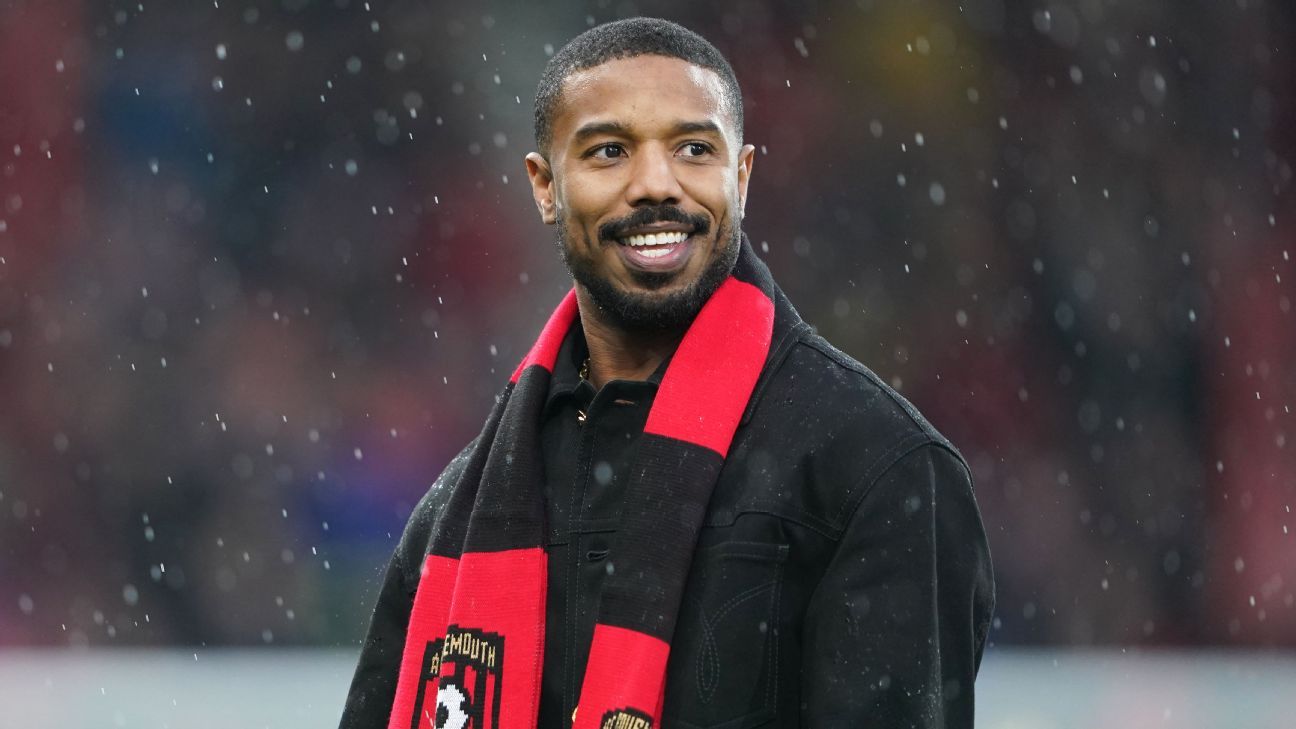
Michael B. Jordan Can Bring Something Entirely Different
If Modrić represents football capital, Michael B. Jordan's role at Bournemouth represents something that may be just as important in modern sport: cultural capital.
His value to the club does not lie in his ability to organise a press or spot a left-back. His value lies in attention.
A global film star can make people talk about a club in spaces where Bournemouth was never discussed before. He can connect football with fashion, film, popular culture and new audiences. Of course, there is a limit here too.
A celebrity does not create authenticity simply by appearing on an ownership list. Audiences are very quick to recognise the difference between a genuine connection and an expensive marketing accessory. But when that connection is used well, a minority owner can become part of a club's identity. Not just a financial partner. A cultural signal.
Ed Sheeran and the Value of Belonging
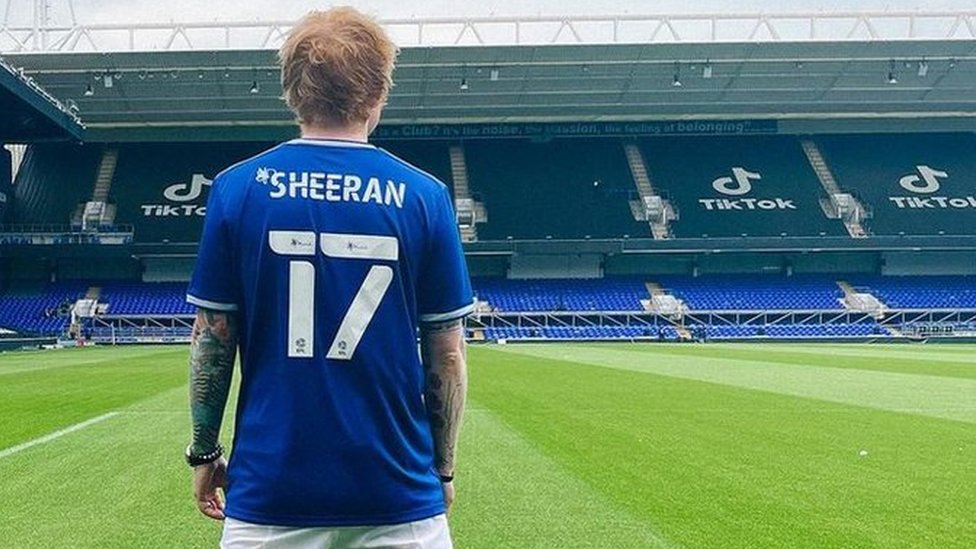
Perhaps that is what makes the case of Ipswich Town and Ed Sheeran even more interesting. Because his story did not begin with ownership.
It began with a relationship. Sheeran had been connected to the club for years before becoming a minority owner. His global fame and local connection create a combination that cannot simply be manufactured through a business agreement. This is another form of capital, one that does not come from the outside. It comes from the fact that the person already belongs to the story.
In football, a world that is simultaneously more global than ever and obsessed with proving its local authenticity, that can have particular value. A global star can buy a stake in almost any club.
But they cannot buy history.
What If a Minority Owner Is Actually Buying Time?
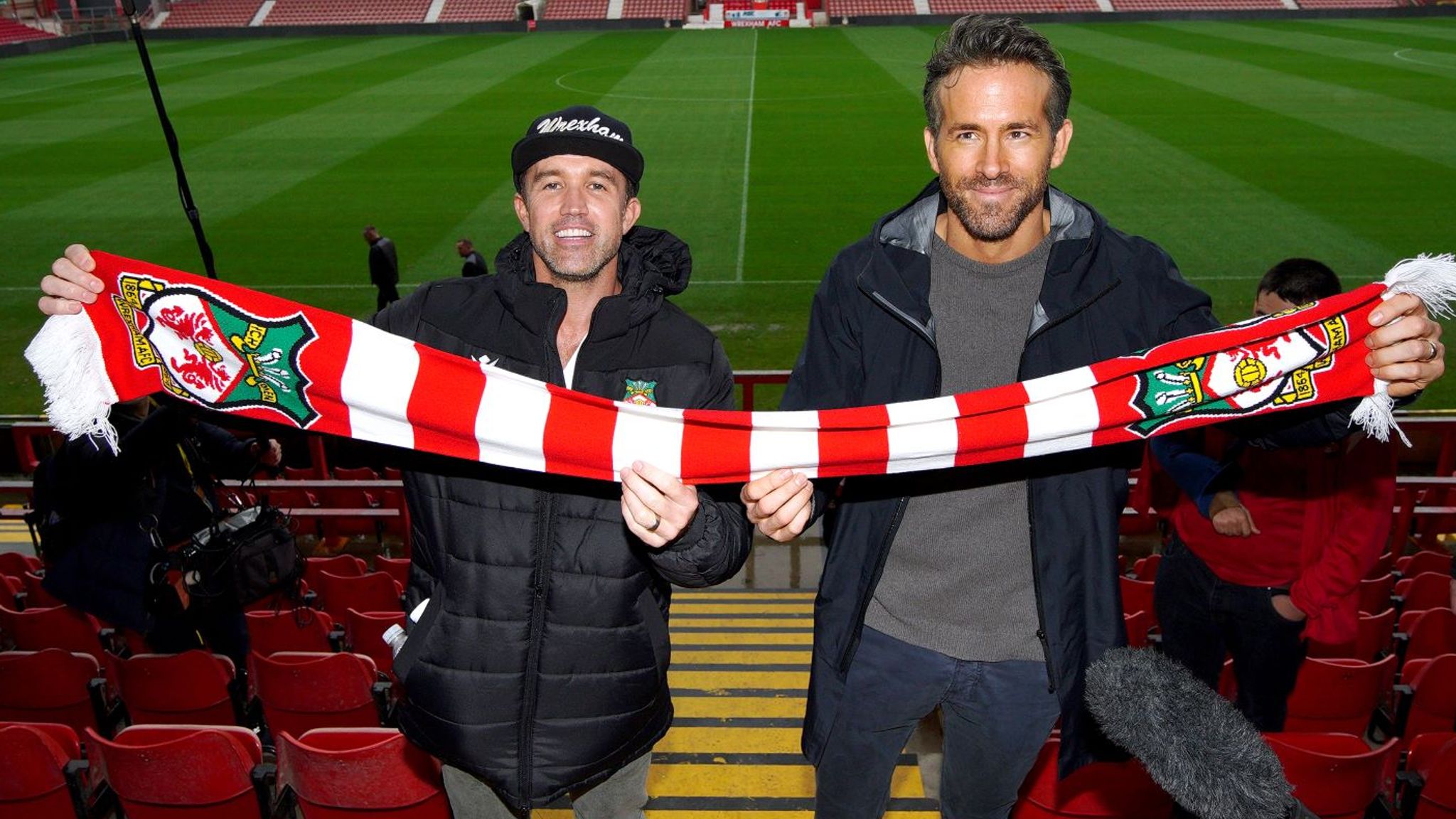
There is, of course, a less romantic version of this entire story. Sometimes a minority stake is simply a financial instrument. Wrexham is an interesting example of that model. Ryan Reynolds and Rob McElhenney built an extraordinary story and retained control, but the club's growth requires money. The stadium. Infrastructure. The squad. Everything that comes after a Hollywood fairytale becomes a real football business.
In that situation, selling a minority stake does not necessarily mean: we want to leave. It can mean: we want to move forward, but we do not want to pay for the entire journey ourselves.
That may be the most important shift in modern ownership. Selling part of a club once looked like a sign of weakness or preparation for an exit. Today, it can be a sign of ambition. The majority owner is not selling the past. They are selling part of the future growth.
In other words, if you believe the value of a club will continue to rise, it may not make sense to sell the entire club today. But it might make sense to sell ten per cent of its future and use that money to make the remaining ninety per cent worth even more.
That is no longer simply ownership. It is financial design.
Thirty Per Cent, However, Is Not Just a Number
There is, however, a point at which a minority stake stops looking passive. Ten per cent can be an investment. Thirty per cent is already a relationship.
Because an investor paying for almost a third of a club's value is unlikely to be completely indifferent to how that club is run. Especially if they are also expected to contribute to funding its costs in the future.
This brings us back to Liverpool. If Bhatia's group's involvement is genuinely limited to a smaller, strategic stake, then the most important question is what it brings alongside the capital. If the stake is much larger, the question changes.
It is no longer simply what can Bhatia bring to Liverpool? It becomes what does Bhatia want from Liverpool?
A large minority stake can sometimes be an uncomfortable place to stay for long. You have a lot of money invested, but you do not have full control. You have responsibility, but not the final word.
That is why football history is full of minority share-holders who, sooner or later, wanted more. Sometimes a minority stake is the destination. Sometimes it is simply the lobby.
Clubs May Start Building Ownership Squads
Swansea may be the most interesting extreme of this emerging model. The idea that one club can have Luka Modrić, Snoop Dogg and other high-profile investors across its wider ownership structure feels almost like a concept borrowed from modern corporate strategy.
Why have one minority investor if you can have several, each bringing something different? One brings football credibility. Another brings a global audience. A third brings capital. A fourth brings access to a particular industry.
Perhaps the clubs of the future will not simply choose owners. Perhaps they will assemble an ownership roster. Like a squad. You do not simply ask: how good is this player? You ask: what are we missing?
If you need creativity, you do not buy another centre-back. If you need pace, you do not bring in another slow midfielder. So why should ownership be any different? Perhaps a club does not need another wealthy man. Perhaps it needs someone who knows Asia. Someone who understands technology. Someone with access to Hollywood. Someone who can talk to players. Someone with genuine ties to the local community.
The most interesting minority share-holder may not be the one who can invest the most. It may be the one who is hardest to replace.
A Percentage Never Comes Alone
That is why the story of Amit Bhatia and Liverpool is more interesting than a simple report about a potential investment. Not because it is certain that one Indian investor will open India to Liverpool. That would be far too simple. And not because every minority investment is a disguised attempt at a takeover. That is not necessarily true either.
It is interesting because it raises a question modern football will increasingly have to ask. If money is no longer scarce, what is the actual value of an owner? Money is now simply the price of admission. The biggest clubs can find capital in many places. Funds, billionaires, private investors and institutions all want a piece of a sport whose global value continues to grow.
But not all money comes with the same package. One investor brings a network. Another brings reputation. A third brings an audience. A fourth brings access to a market. A fifth may bring nothing but money.
And perhaps that is exactly why the last one is the least interesting. Because a minority owner is never just a percentage. The real question is what comes with it.

