Como 1907: From Bankruptcy to the Champions League
The Story of a Club That Wants to Become More Than a Football Team

In just a few years, Como 1907 has gone from being a bankrupt fourth-tier club to finishing fourth in Serie A and qualifying for the Champions League. The club from a city of approximately 85,000 people now sits above giants such as AC Milan and Juventus, and its rise has become one of the most fascinating stories in modern European football.
However, Como is not simply another club backed by wealthy owners. Its uniqueness lies in its attempt to turn the football team into the centre of a much broader business ecosystem involving tourism, luxury, fashion, media, technology and retail.
From Bankruptcy to Serie A
The modern story of Como began in 2017, when the club collapsed financially, was re-established and had to start again in the fourth tier of Italian football. Two years later, it was acquired by the Indonesian Hartono family, the owners of the Djarum business group, whose wealth is estimated at tens of billions of euros.
A rapid rise followed. Como progressed through the fourth and third divisions, secured promotion back to Serie B and, in 2024, returned to Serie A after a 21-year absence. In its first season back in the top flight, the club finished tenth. In its second season, it made a huge leap forward, finishing fourth and securing a historic place in the Champions League.
However, this success did not come without significant investment. During the 2024/25 season, the club generated approximately €55 million in revenue, while its expenses reached around €159 million. The resulting loss of approximately €105 million was covered by the owners through additional capital injections. Como, therefore, has not grown solely through organic revenue, but also through strong financial backing that allowed it to accelerate its development.
Football as Part of the Tourism Experience
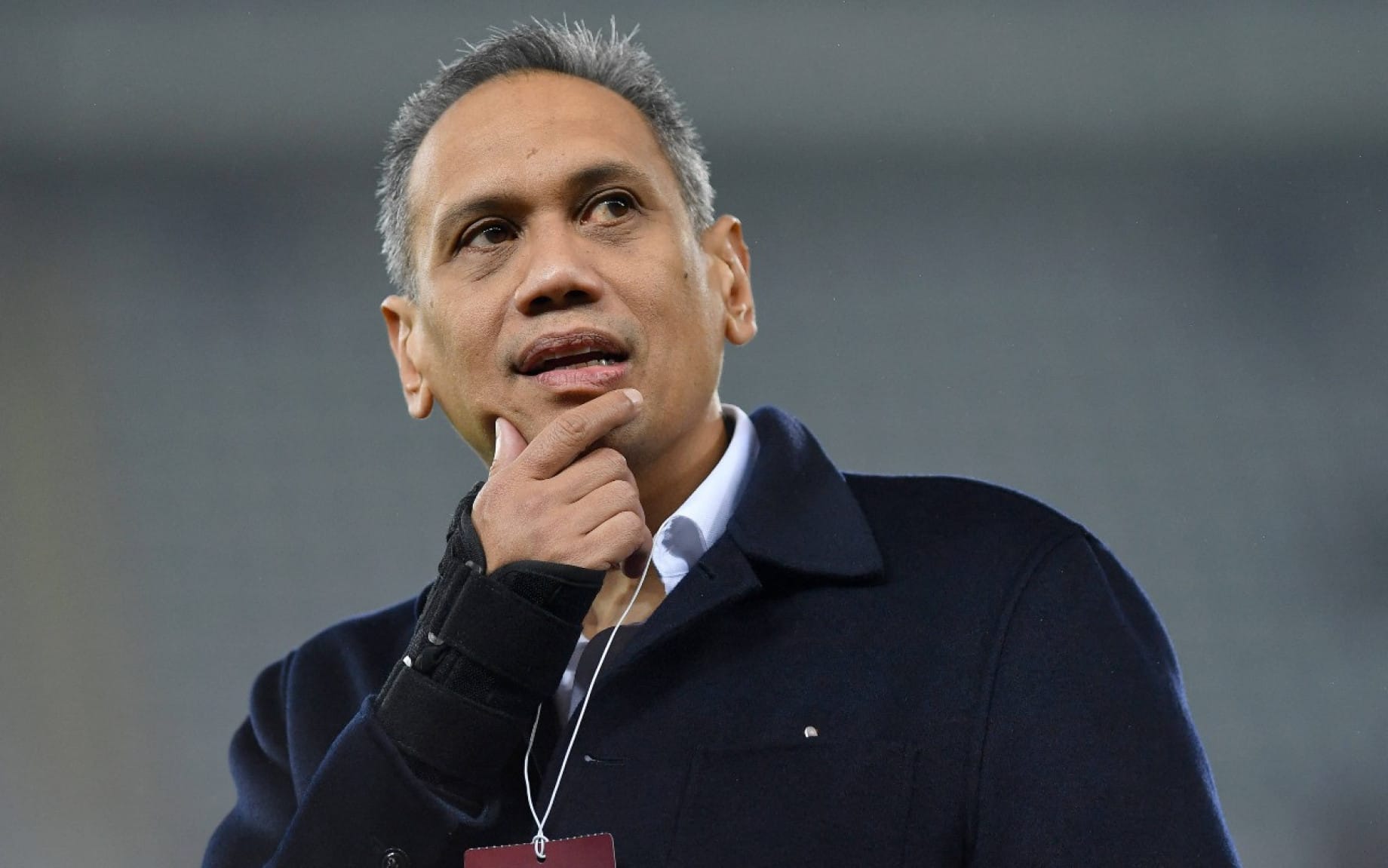
Como President Mirwan Suwarso understood early on that Como could not operate like a traditional football club. The city has a small stadium, a limited local population and only around 85,000 residents. In Serie B, television revenue amounted to approximately €5 million, while clubs were spending between €11 million and €15 million on average.
Instead of competing only within the traditional football economy, Como decided to use what it already had: Lake Como’s globally recognised brand. The lake is one of the world’s most famous tourist destinations and attracts millions of visitors every year. The club therefore began positioning itself as a sports and tourism destination rather than simply a football team.
The concept is simple but powerful: visitors can come to Lake Como, stay in hotels, enjoy restaurants, villas and boat trips, and complete the experience by attending a football match. Football becomes part of the overall lifestyle experience.
This approach can also be seen in the club’s digital content. Como does not communicate only through results, transfers and players. Instead, it tells stories about people, supporters and the local community. Its content focuses on residents, family traditions and the emotions connected to the club. In this way, Como is trying to build an identity that goes beyond sporting results.
The “Lake Como DNA” and the Role of Cesc Fàbregas
To make the football product match the destination’s tourism and luxury image, the club also changed its football philosophy. Como moved away from an extremely defensive style and focused on attractive, technical and attacking football.
Cesc Fàbregas has played a key role in this transformation. The former Spanish international first joined Como as a player before gradually becoming involved in the coaching and strategic side of the project. He is now the club’s head coach and one of its most important symbols.
His football philosophy has become part of what the club calls the “Lake Como DNA” – a recognisable style that is intended to be attractive regardless of the result.
Fàbregas is important not only because of his coaching knowledge. His presence gives the club credibility, international visibility and a story that appeals to a global audience. Como is therefore not selling only a football match, but also an idea of a modern, elegant and different kind of football club.
Data as the Foundation of Sporting Decisions
Another important element of Como’s model is the way it recruits players. The club combines statistics, behavioural analysis, financial evaluation and an assessment of how well a player fits into its playing system.
The process begins with data analysis. The club’s staff then evaluates the player’s character, behaviour, psychological profile and potential fit within the squad. Only after the player passes these stages do the coach and football experts make the final decision.
However, Como emphasises that data is not a replacement for human judgement. Statistics provide guidance, but coaches must understand the context in which a player performed and determine whether he can achieve more in a new team.
This is why the club has developed a collective decision-making model, sometimes described as a “senate”, involving people with different experiences and areas of expertise. Such a system reduces dependence on a single sporting director or coach. If one individual leaves the club, the model should continue to function.
Young Players and Talent Trading
Como has built a significant part of its squad by investing in young international players with the potential to develop and increase their market value. The idea is not simply to sign a player who can help the team, but to create a sporting asset that can later be sold for a substantial profit.
One of the best examples is Nico Paz, who joined Como from Real Madrid for approximately €6 million. In two seasons, he became one of the team’s key players and one of the most interesting young midfielders in Europe. His development demonstrated how much value a club can create through careful recruitment, player development and providing young talent with opportunities.
However, this model also has limitations. Real Madrid retained significant control mechanisms, including a percentage of any future sale and the option to bring the player back for a predetermined fee. Como helped develop the player, but it may not retain all of the economic value created by his growth.
Despite this, player trading remains one of the pillars of the club’s long-term strategy. Como wants to buy relatively young talents, develop them and generate revenue that can finance future investment cycles.
The Club as a Lifestyle Brand
One of the biggest differences compared with traditional clubs can be seen in merchandising and branding. Como does not sell only shirts and scarves. Its product range includes collections connected to hiking, sailing, running, travel and the lifestyle surrounding the lake.
According to the club’s president, only around 38% of merchandising revenue came from shirts. The rest came from lifestyle products. This shows that the club is targeting a broader audience – tourists, fashion enthusiasts, visitors to the lake and people who may not be traditional football supporters.
The partnership with luxury fashion brand Rhude attracted particular attention. A special edition shirt priced at €275 sold out within a few days, with the product reaching customers in the United States and distribution channels such as Harrods.
This offers an important lesson for sports marketing: a club does not always have to increase revenue by expanding its stadium or selling more conventional shirts. Sometimes it is more profitable to create a premium product for a smaller but wealthier and globally accessible audience.
A New Approach to Sponsorship
Como is also trying to change the way clubs think about sponsorship. Instead of following the traditional model, in which a sponsor receives a logo on the shirt, advertising space at the stadium and a few VIP tickets, Como offers partners access to the local market and opportunities to create new business.
The partnership with Uber is a good example. The deal is not designed solely as a marketing campaign. It also serves as a basis for developing Uber boat services on Lake Como, Maserati vehicles and other services in northern Italy. The club is therefore positioning itself as a distribution and customer-acquisition partner, rather than simply as advertising space.
A similar approach can be seen in the development of the club’s own platform for ticketing, merchandising and hospitality. Como wants to offer this platform to other Italian clubs, allowing the football project to expand beyond one city and become technological infrastructure for a broader market.
Stadium Limitations and Financial Challenges
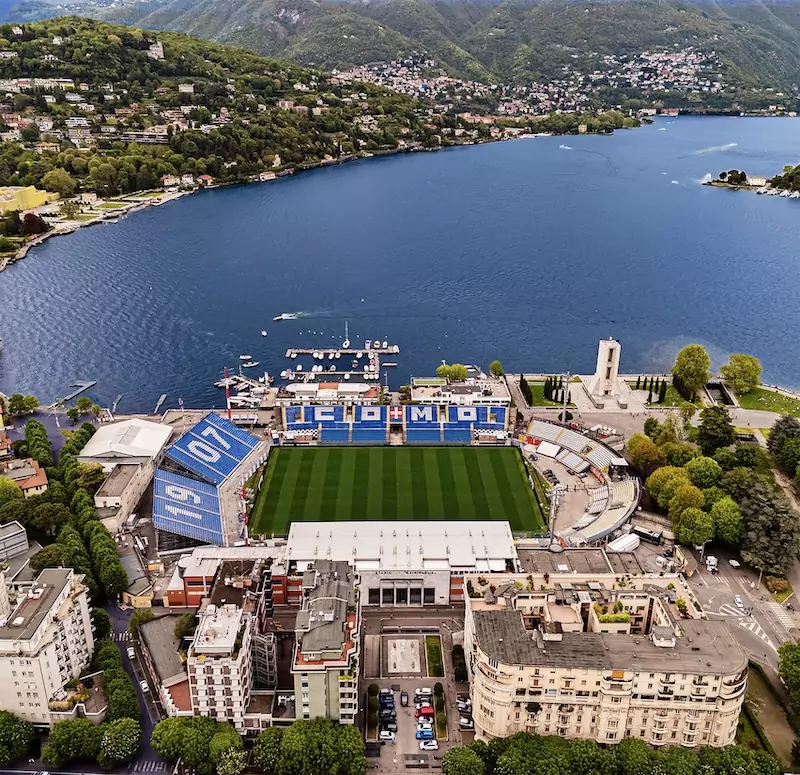
The biggest problem facing Como at the moment is its stadium. The Sinigaglia Stadium has approximately 12,000 seats, which significantly limits revenue from ticket sales, hospitality and corporate guests. Champions League matches require higher UEFA standards, and the club may have to play some European fixtures at another stadium.
The club is trying to increase revenue not only by adding seats, but also by improving the overall matchday experience. Villas near the stadium have been rented, boat trips have been organised, and the number of hospitality spaces has been significantly increased. Ticket prices range from approximately €20 for the local community to several thousand euros for the most exclusive packages.
Another major challenge is UEFA’s financial sustainability regulations. A loss of around €105 million is difficult to reconcile with rules that limit the relationship between a club’s revenue and its squad costs. Because of its participation in European competitions, Como will have to negotiate with UEFA on a plan to reduce its losses over several years, similarly to other European clubs.
A third challenge concerns the composition of the squad. UEFA requires clubs to register a certain number of locally trained players, while Como has built much of its team around international talent. The club will therefore have to invest more heavily in its academy and develop players from Italy.
Can the Model Work in the Long Term?
Como 1907 is undoubtedly more than a story about a wealthy owner buying players. The club has developed a clear vision that connects football, tourism, luxury, technology, content and retail.
However, this vision has not yet been fully proven. The club still depends on significant investment from its owners, while its expenses greatly exceed its revenue. If Como fails to qualify for European competitions for several consecutive seasons, revenue could decline while its high squad and infrastructure costs remain.
The key question is whether the club can build sufficiently strong non-football revenue streams before maintaining this pace of development becomes too expensive for its owners. Its ambition is to create a kind of “Disney of football” - a brand in which football is the main attraction, but not the only source of value.
If it succeeds, Como could become one of the most interesting models in the future of sports business. Clubs will no longer be just teams selling tickets, broadcasting rights and shirts. They will become platforms connecting sport, tourism, entertainment, media, financial services and the local economy.
Como has already taken the most difficult step: it has attracted the attention of the world. Now it must prove that its vision of a club worth much more than just a football team can work even when results on the pitch do not go according to plan.
If you want to hear more about Como buisness model, we strongly recommend the podcast Businness of Sport, the episode with Como's president Mirwan Suwarso. You can watch it here