
SPONSORS

Manchester United
Sharp
1982 — 2000
The longest-running shirt sponsorship in English football, and the deal that turned a Manchester electronics plant into a global football emblem.
THE SHIRT

THE STORY
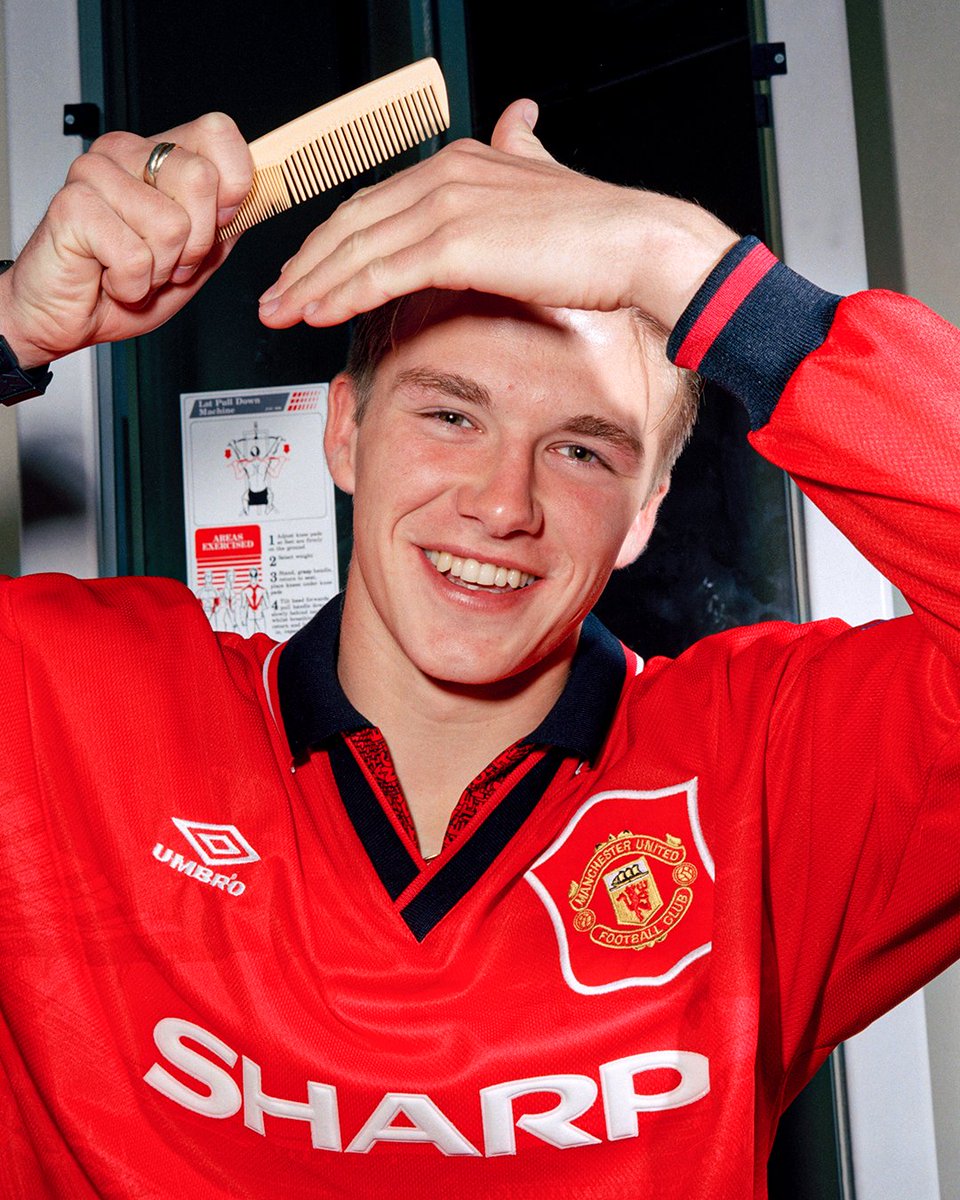
Sharp was Manchester United’s first and longest-serving shirt sponsor, appearing on the club’s kit from 1982 to 2000. The partnership ran for 18 seasons and included several contract renewals as United grew into a global football powerhouse.
Sharp is a Japanese technology company founded in 1912, known for producing consumer electronics, home appliances, and innovative electronic components. Its name comes from the Ever-Sharp mechanical pencil, one of the early inventions of its founder, Tokuji Hayakawa. Over the decades, Sharp became a recognizable global brand for televisions, calculators, microwave ovens, LCD displays, and other technology products, building a reputation for Japanese innovation and quality.

Deal value over time
The original agreement, signed in April 1982, was worth £500,000 for an initial two-year period. Some historical sources describe it as a five-year arrangement at the same figure, but more detailed kit-sponsorship records identify the initial term as two years.
The deal was subsequently renewed and increased in value. In March 1984, Sharp reportedly agreed to pay £700,000 for a further two seasons. The partnership then continued throughout the 1990s, when Manchester United won seven Premier League titles, five FA Cups, and the 1999 UEFA Champions League.
Sharp’s sponsorship ended in 2000, when Vodafone became Manchester United’s shirt sponsor.
Perspective
The first Sharp deal looks remarkably small by today’s standards. At £500,000, it was a pioneering commercial agreement rather than a major revenue engine in the modern sense. Nevertheless, it helped establish the shirt-sponsorship model that later became one of football’s most valuable commercial assets.
Sharp remains perhaps the most iconic shirt sponsor in Manchester United’s history, largely because its name became inseparable from the club’s rise during the 1980s and 1990s.