
SPONSORS

Atletico Madrid
Columbia Pictures
2003 — 2005
It was more than a normal sponsorship deal. It was an early and highly creative example of content marketing through sport.
THE STORY
In the early 2000s, Atlético Madrid entered into one of the most unusual sponsorship agreements in football history. In August 2003, the Spanish club signed a deal with Columbia Tristar Pictures, a subsidiary of Sony, covering the 2003/04 and 2004/05 seasons. Instead of wearing the same corporate logo throughout the agreement, Atlético turned its shirt into a moving cinema billboard.
The concept was simple but revolutionary: every time Columbia released a new film, Atlético could promote that film on the front of its shirt. The first title to appear was Bad Boys II, known in Spain as Dos policías rebeldes II. As the seasons progressed, the club’s players wore a series of different movie titles, including Spider-Man 2, Hellboy, S.W.A.T., Peter Pan, Gothika, The Punisher, Big Fish, Hitch, Resident Evil 2 and Hollywood Homicide.

The partnership created a completely different approach to football sponsorship. Traditionally, a club’s shirt carries the same brand identity for an entire season: a bank, airline, telecommunications company or sportswear brand. Atlético and Columbia Pictures broke that model. The front of the shirt changed according to the film calendar, meaning that the club could display a different sponsor message every few weeks.
The deal made commercial sense for both sides. Columbia Pictures gained constant exposure for its latest releases through football matches, television broadcasts, press photographs and fan merchandise. Atlético Madrid, meanwhile, secured an important sponsorship agreement while gaining an enormous amount of publicity. Every new shirt design became a talking point, and the partnership helped the club stand out in a crowded football marketplace.
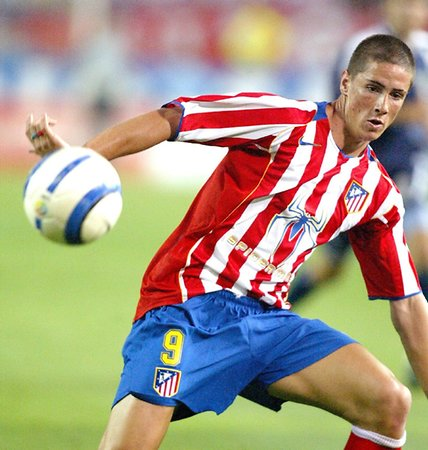
There was also a natural personal connection behind the agreement. Atlético’s president at the time, Enrique Cerezo, was heavily involved in the Spanish film industry as a producer. His relationship with cinema made the collaboration between the football club and the Hollywood studio particularly logical. The partnership was presented as a groundbreaking connection between two major entertainment industries: football and film.
The most famous version of the shirt was undoubtedly the one promoting Spider-Man 2. The image of Atlético’s red-and-white stripes combined with the Spider-Man logo became one of the most recognisable football-and-film collaborations ever created. The Bad Boys II campaign was also memorable because actor Will Smith was photographed wearing an Atlético Madrid shirt during the promotion of the movie.
In total, Atlético reportedly wore around sixteen different film-related shirt designs during the partnership. This made the agreement unusual not only from a marketing perspective but also from a collector’s point of view. Some shirts were produced for supporters without the movie advertisements, while original match-worn versions featuring titles such as Spider-Man 2 became rare and highly desirable among football-shirt collectors.
The Columbia Pictures partnership lasted only a relatively short time, but its impact was significant. Atlético Madrid temporarily transformed its shirt from a traditional sponsorship asset into a rotating entertainment platform. The club was no longer promoting just one company; it was promoting an entire schedule of Hollywood releases.
That is what made the agreement so memorable. It was more than a normal sponsorship deal. It was an early and highly creative example of content marketing through sport, combining the global reach of football with the promotional power of cinema. For two seasons, every Atlético Madrid match could also function as a film premiere—and every new movie could become part of the club’s visual identity.